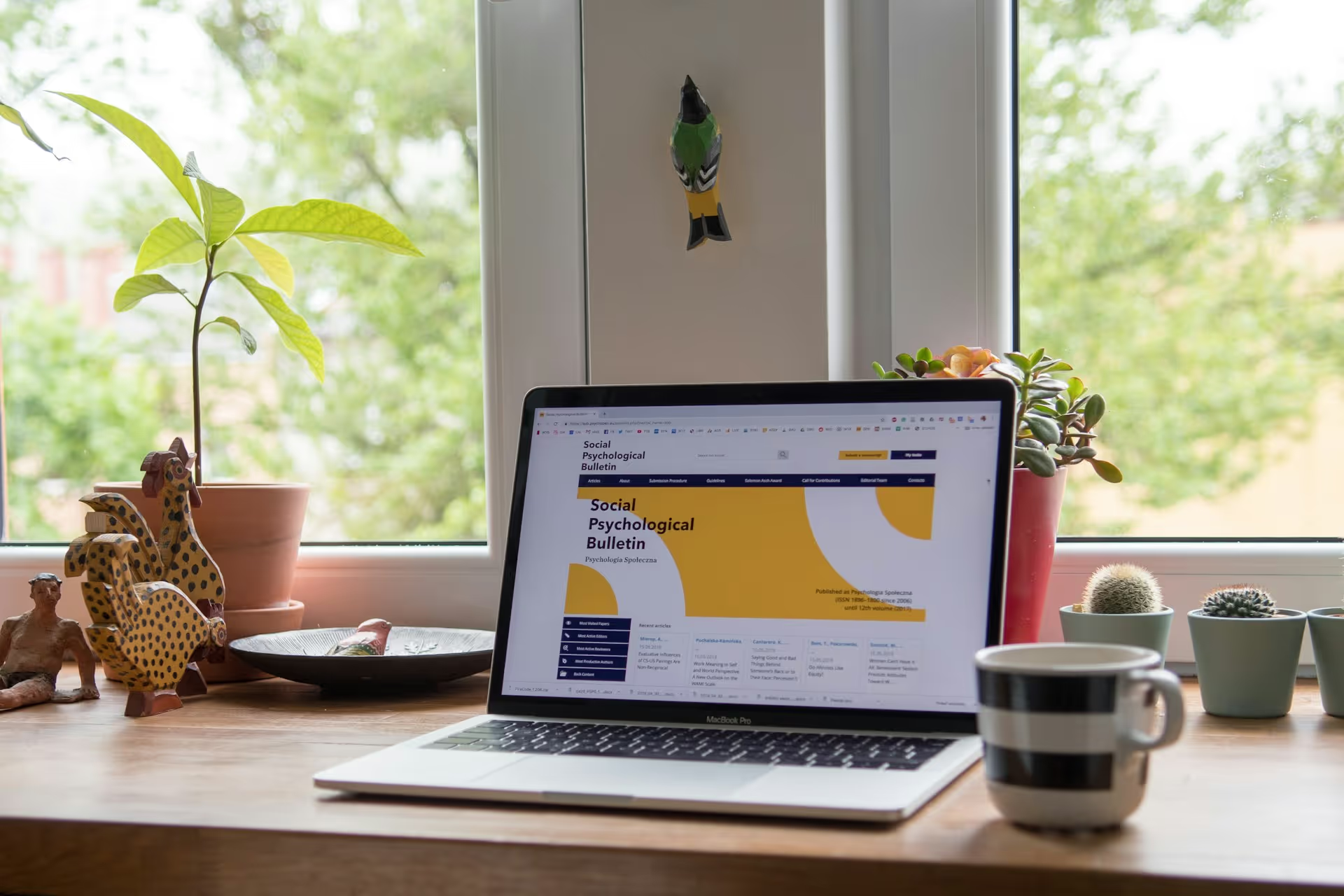
A great brand is more than just a beautiful logo or a modern color palette. It is a strategic tool built with clear intent to solve business problems, resonate with a specific audience, and create a lasting competitive advantage in an ever-evolving market.
The Intersection of Strategy and Visual Identity
In today’s saturated market, "looking good" is simply the baseline. True brand impact happens when design is rooted in deep strategy. Beyond aesthetics, intentional design asks the difficult questions: Who are we speaking to? What problem are we solving? And how do we want the world to perceive us? When design is led by strategy, every visual choice—from the weight of a font to the curve of an icon becomes a deliberate move toward a business goal.
Defining the "Why" Before the "How"
Before a single pixel is moved, the most successful brands spend time defining their "Why." Strategy-led design begins with understanding the core purpose of the brand. By establishing a clear brand mission and value proposition first, designers can create visuals that don't just fill space, but actually communicate the brand’s soul. Without this foundation, design is merely decoration; with it, design becomes a powerful vehicle for storytelling.
Key benefits of visual consistency:
- Stronger brand recognition and trust
- Seamless experience across devices
- Faster user understanding and navigation
- Reduced confusion and interaction errors
- A more professional and polished product appearance
Designing for Long-term Impact
Trends come and go, but strategic brands are built to last. Designing with intent means looking past the "flavor of the month" and focusing on timeless principles that align with the brand’s long-term vision. A strategic approach ensures that a brand doesn't just trend for a week but remains relevant and recognizable for years, reducing the need for frequent, costly rebrands.
Aligning Business Goals with User Perception
Every design decision should bridge the gap between what a business offers and how a user perceives it. If a brand aims to be seen as "trustworthy and secure," the design must reflect stability and clarity. If it aims to be "disruptive and bold," the visuals must challenge the status quo. Strategy-led design ensures that there is no mismatch between the company's goals and the user's emotional experience.
Data-Driven Decisions in Branding
Modern branding isn't based on "gut feelings" alone. It incorporates market research, competitor analysis, and user data. By understanding the landscape in which a brand operates, designers can make informed choices that position the brand uniquely. Strategic design uses data to identify gaps in the market, allowing a brand to claim a space that no one else is occupying.
The Future of Strategic Design
As digital experiences become more integrated into our lives, the line between product and brand continues to blur. The future belongs to brands that treat design as a core business function rather than a final coat of paint. Intentional design will continue to be the primary differentiator for companies that want to move beyond being just a commodity to becoming a beloved household name.



.avif)